Use of pesticides is as plant protection
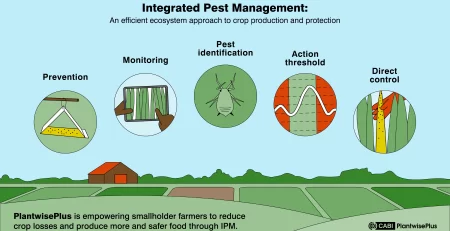
Pesticides play a vital role in plant protection by targeting pests, weeds, and diseases that threaten crop yields and quality. When used responsibly within Integrated Pest Management (IPM) frameworks—building on prior pest control discussions—they safeguard agriculture while minimizing environmental risks.
Types of Pesticides
Pesticides are categorized by target: insecticides combat insects, herbicides control weeds, fungicides fight fungal diseases, and rodenticides address vermin. Selective options spare beneficial plants or insects, while broad-spectrum ones tackle multiple threats but require careful application.
Application Methods
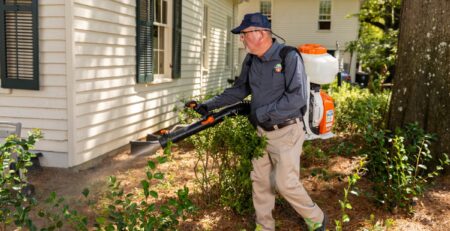
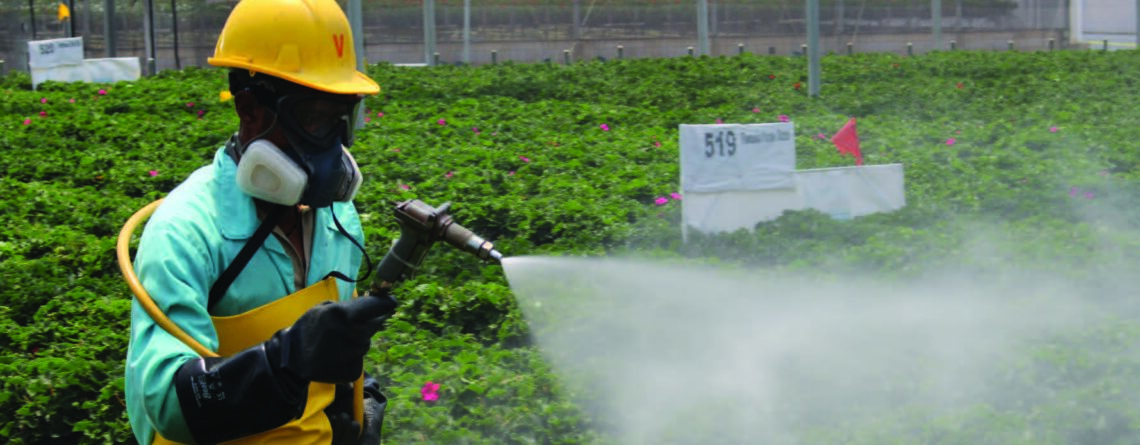
Foliar sprays coat leaves for quick action, soil treatments protect roots, and seed coatings build early resistance. Pairing with cultural practices like crop rotation enhances efficacy, reducing overall chemical needs as seen in IPM strategies.
Benefits and Precautions
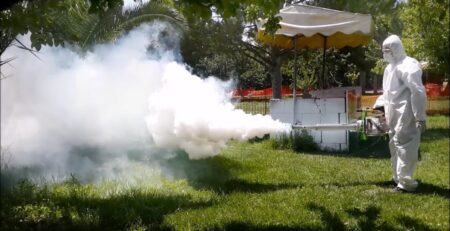
Proper use boosts harvests by 20-50% in vulnerable areas, supports food security, and cuts losses from outbreaks. Always follow label rates, observe pre-harvest intervals, use PPE, and rotate types to prevent resistance—linking to sanitation and fogging for holistic farm defense.
This image depicts farmers applying pesticides in a rice field, illustrating precise spraying for effective plant protection.