Blogs

Termite control

Termite control

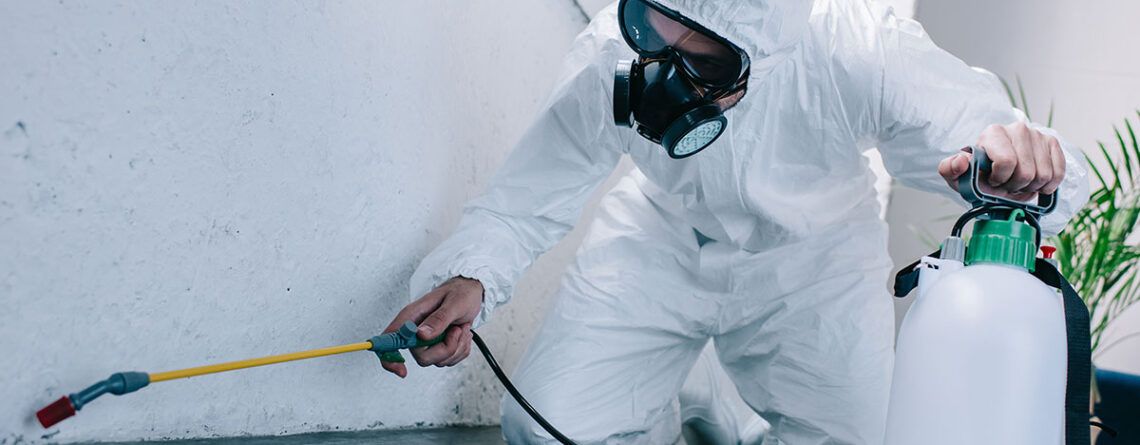
Termite control safeguards structures from costly wood damage using Integrated Pest Management (IPM) approaches that prioritize prevention over heavy chemical reliance. Building on fly control, mosquito strategies, and rice pest schedules, IPM layers monitoring with eco-friendly tactics for long-term protection. Prevention Tactics Eliminate moisture and wood-to-soil contacts by fixing leaks, using treated lumber, and installing barriers like metal shields or sand. Regular...
Fly Control

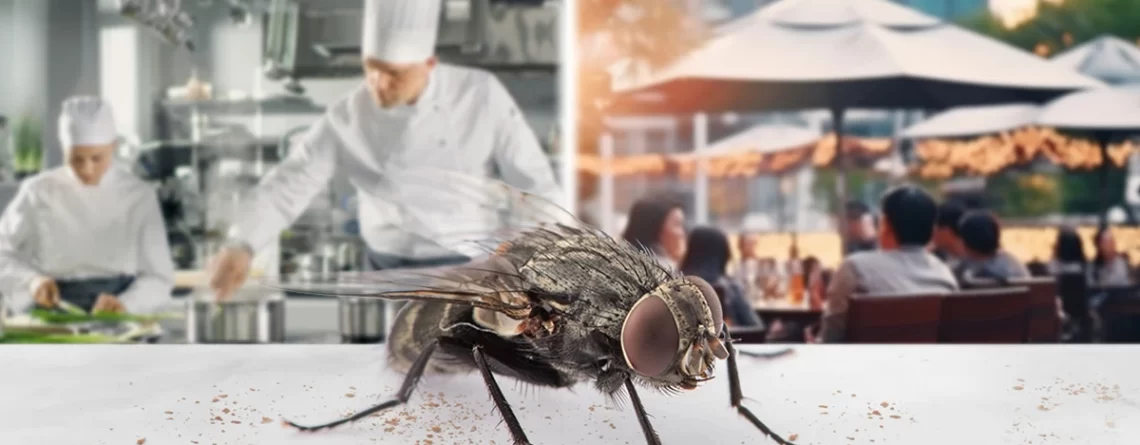
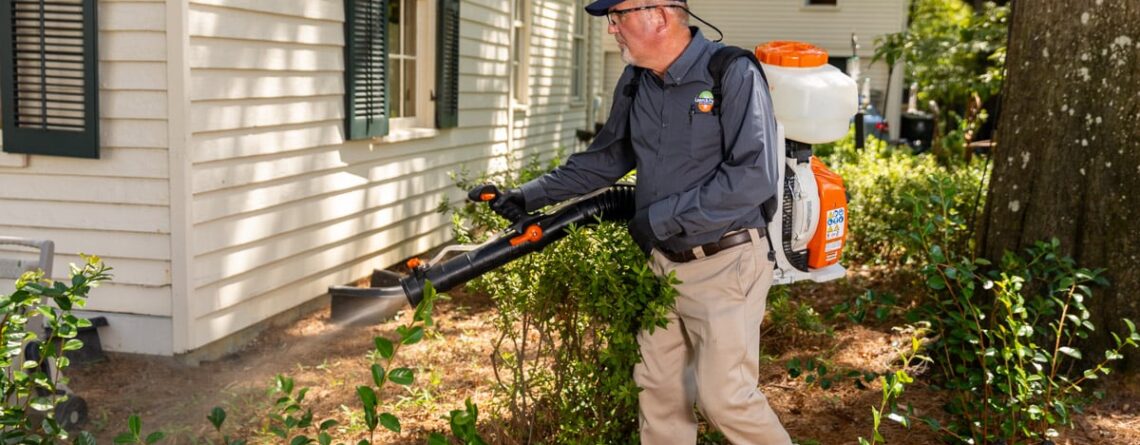
Fly control is crucial for hygiene in farms, food facilities, and homes, preventing disease spread from house flies and filth flies that breed in decaying matter. Integrated Pest Management (IPM) strategies, extending prior blogs on pest schedules, mosquitoes, and rice bugs, layer sanitation with targeted tactics for lasting results. Sanitation First Remove breeding sites like manure, garbage, and spills daily—flies need moist...

Mosquito Control

Mosquito control protects public health by targeting disease vectors like those carrying dengue, Zika, and West Nile, using sustainable Integrated Pest Management (IPM) strategies. It builds on prior topics like rice pest schedules, IPM principles, and thermal foggers for comprehensive vector defense. Source Reduction Eliminate standing water in gutters, tires, pots, and drains where larvae breed—weekly checks prevent 80% of populations. Community...

Pest Control Schedule

A pest control schedule provides a structured timeline for preventing and managing infestations, especially for rice storage bugs like weevils and moths. It integrates IPM principles from prior blogs, ensuring proactive steps tie into sanitation, fogging, and pesticide use for minimal losses. Pre-Storage Prep (2-4 Weeks Before) Clean bins thoroughly, removing old grain, debris, and webbing; spray walls, floors, and crevices with...

Integrated pest management

Integrated pest management

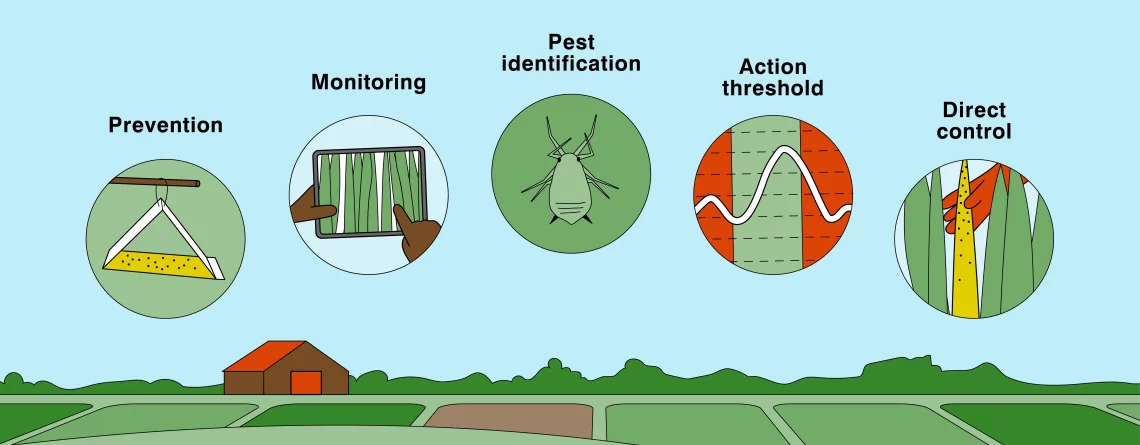
Integrated Pest Management (IPM) is a sustainable strategy that combines monitoring, prevention, and targeted controls to manage pests effectively while minimizing chemical use. It ties together prior topics like disinfection, thermal foggers, pesticides, and rice bugs for holistic crop and facility protection. Core Principles IPM follows a step-by-step ecosystem approach: monitor pest levels, identify threats, set action thresholds, then intervene with the...

Rice Handling Bugs, Good and Bad

Rice Handling Bugs, Good and Bad

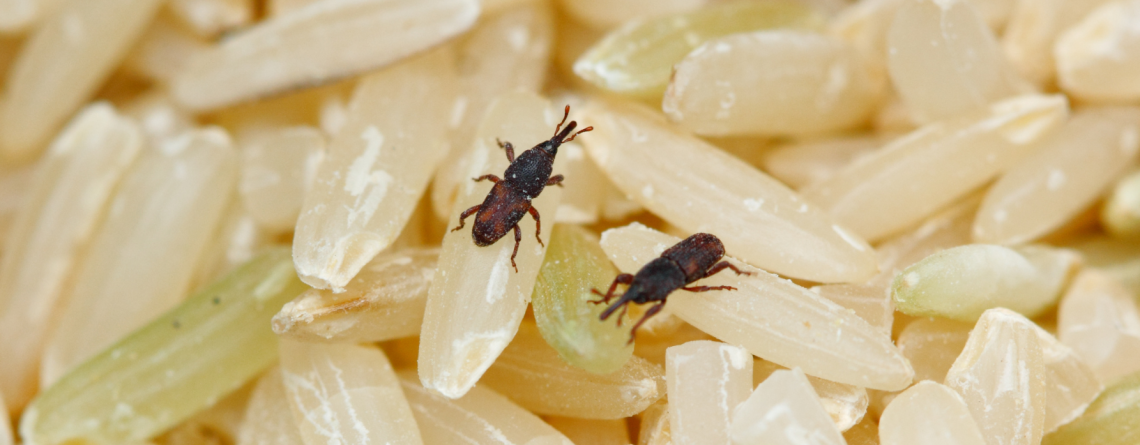
Rice handling bugs impact stored grain quality, with harmful pests causing significant losses and beneficial insects aiding natural control. Building on prior discussions of pest solutions, pesticides, and rice pests, distinguishing good from bad bugs optimizes IPM during storage and transport. Harmful Bugs Rice weevils (Sitophilus oryzae), lesser grain borers (Rhyzopertha dominica), and Angoumois grain moths (Sitotroga cerealella) bore into kernels, leading...

use of pesticides is as plant protection

Use of pesticides is as plant protection

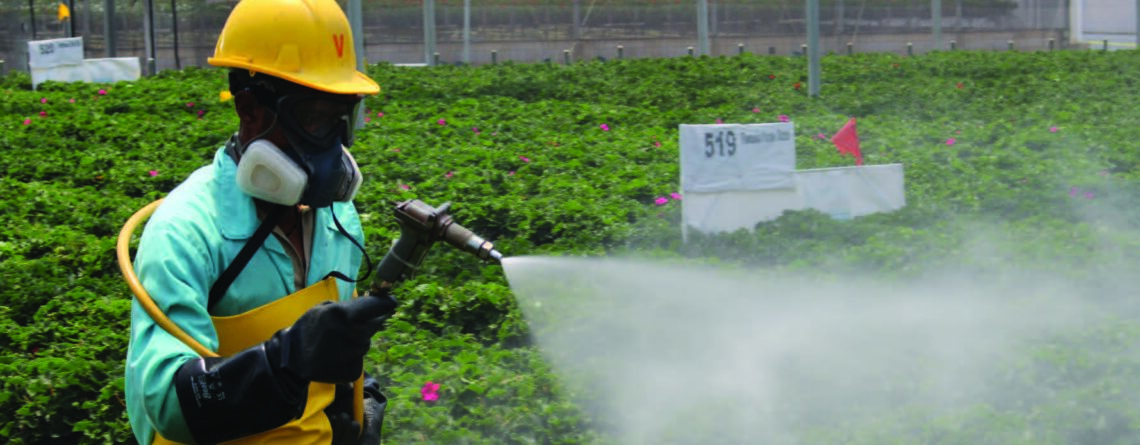
Pesticides play a vital role in plant protection by targeting pests, weeds, and diseases that threaten crop yields and quality. When used responsibly within Integrated Pest Management (IPM) frameworks—building on prior pest control discussions—they safeguard agriculture while minimizing environmental risks. Types of Pesticides Pesticides are categorized by target: insecticides combat insects, herbicides control weeds, fungicides fight fungal diseases, and rodenticides address vermin....

Pest control solutions

Pest Control Solutions

Pest control solutions offer reliable ways to tackle insects, rodents, and other pests in homes, businesses, and farms. Linking to disinfection, sanitation, and tools like thermal foggers, these strategies prioritize prevention and integrated approaches for eco-friendly, long-term protection. Proven Methods Effective pest control uses a mix of techniques tailored to the pest and environment. Method How It Works Top Applications Physical Traps, vacuums, barriers, or diatomaceous earth...

Thermal foggers

Thermal foggers

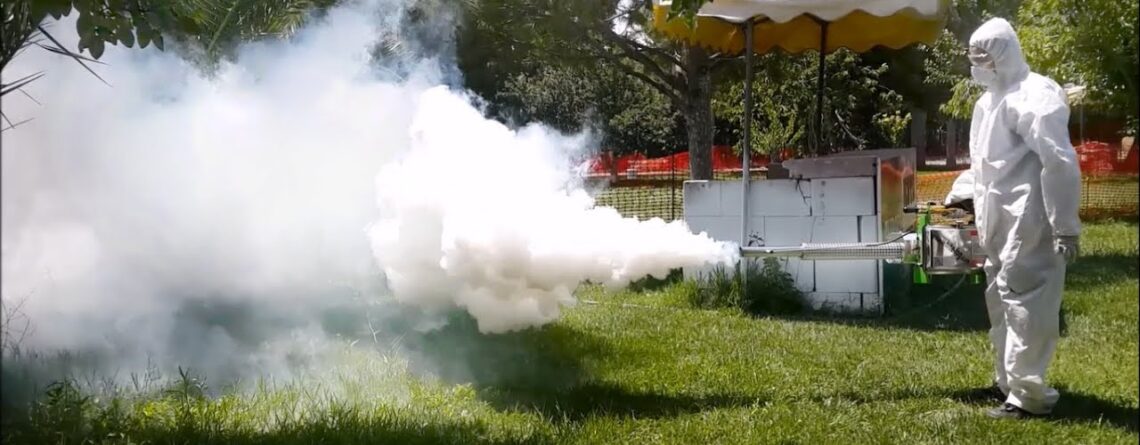
Thermal foggers are powerful tools for disinfection and sanitation, using heat to vaporize liquids into fine mist particles that reach hard-to-access areas. They excel in large-scale applications like hospitals, warehouses, and public spaces by evenly dispersing disinfectants. How They Work Thermal foggers heat a solution—often water-based disinfectants—to create ultra-fine droplets (5-50 microns) that suspend in the air and settle on surfaces. This...

Disinfection and sanitation

Disinfection and sanitation

Disinfection and sanitation are essential practices for maintaining safe, healthy environments in homes, workplaces, and food facilities. They involve distinct steps to remove dirt, reduce microbes, and eliminate pathogens effectively. Cleaning Basics Cleaning removes visible dirt, dust, grease, and debris using soap and water, creating a foundation for further treatment. This step alone eliminates many germs but doesn't kill them all. Always...