Termite control
Termite control safeguards structures from costly wood damage using Integrated Pest Management (IPM) approaches that prioritize prevention over heavy chemical reliance. Building on fly control, mosquito strategies, and rice pest schedules, IPM layers monitoring with eco-friendly tactics for long-term protection.
Prevention Tactics
Eliminate moisture and wood-to-soil contacts by fixing leaks, using treated lumber, and installing barriers like metal shields or sand. Regular inspections reveal mud tubes or swarmers early, tying into weekly pest schedules from prior blogs.
Monitoring Methods
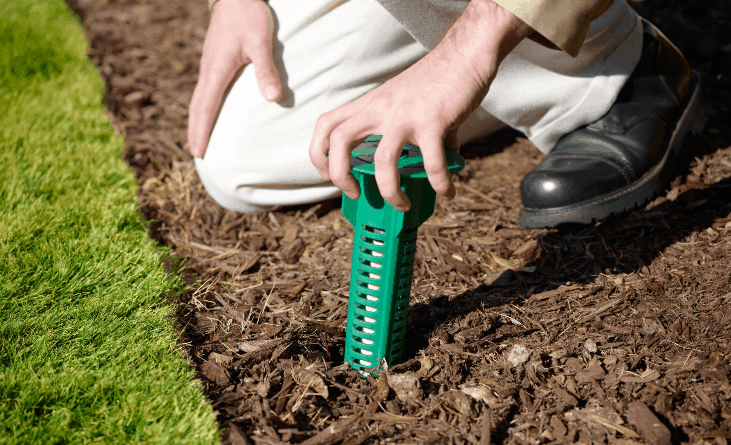
Deploy bait stations and moisture meters around foundations to track colony activity without disturbance. Set thresholds for action, preserving beneficial nematodes and fungi that naturally suppress termites.
Control Options
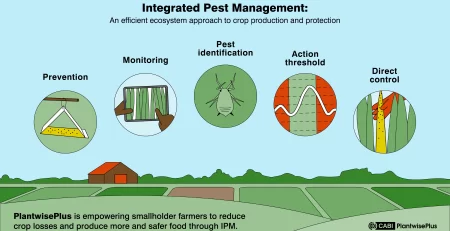
This diagram shows IPM’s cycle for termites—identification to control—guiding effective home defense.