Integrated pest management
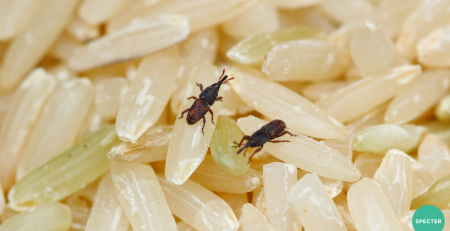
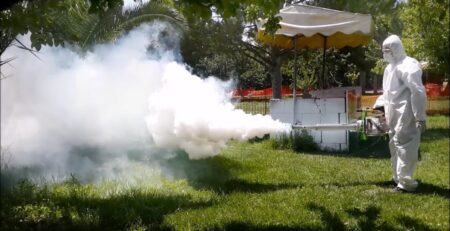
Integrated Pest Management (IPM) is a sustainable strategy that combines monitoring, prevention, and targeted controls to manage pests effectively while minimizing chemical use. It ties together prior topics like disinfection, thermal foggers, pesticides, and rice bugs for holistic crop and facility protection.
Core Principles
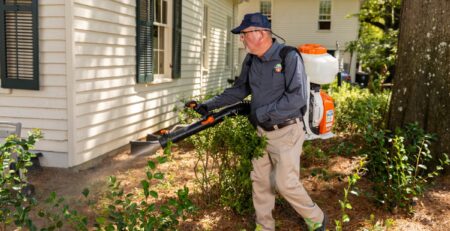
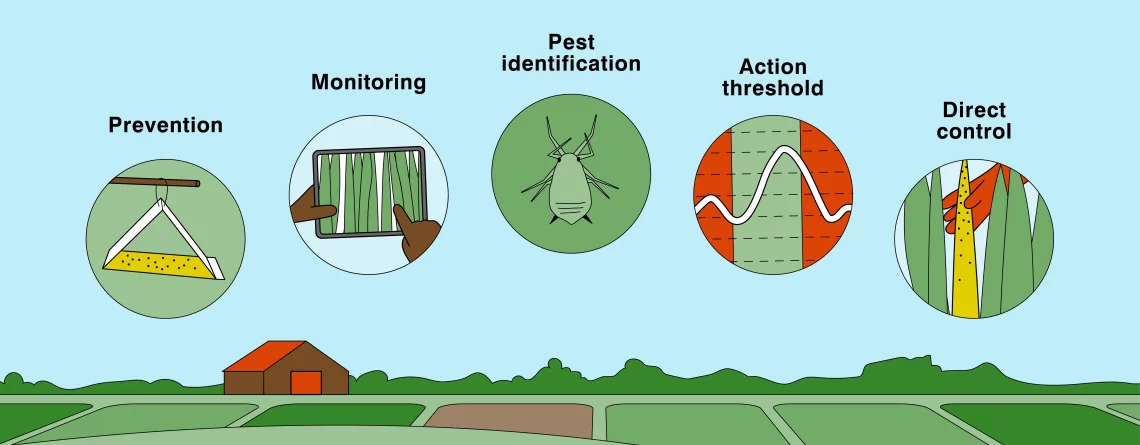
IPM follows a step-by-step ecosystem approach: monitor pest levels, identify threats, set action thresholds, then intervene with the least disruptive methods first. This reduces risks to health, environment, and beneficial insects, unlike routine spraying.
Key Tactics
IPM layers multiple tools for balanced defense.
Implementation Steps
Start with scouting fields or storage weekly, then prioritize non-chemical options—e.g., clean rice to deter weevils before fogging. Rotate tactics yearly to prevent resistance, boosting yields sustainably.
This infographic outlines IPM’s strategies, from monitoring to controls, for practical farm application.