Rice Handling Bugs, Good and Bad
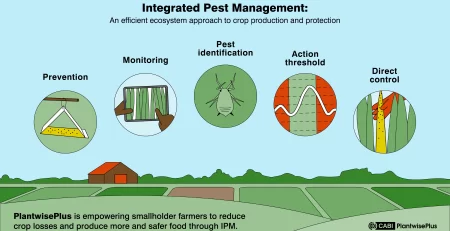
Rice handling bugs impact stored grain quality, with harmful pests causing significant losses and beneficial insects aiding natural control. Building on prior discussions of pest solutions, pesticides, and rice pests, distinguishing good from bad bugs optimizes IPM during storage and transport.
Harmful Bugs
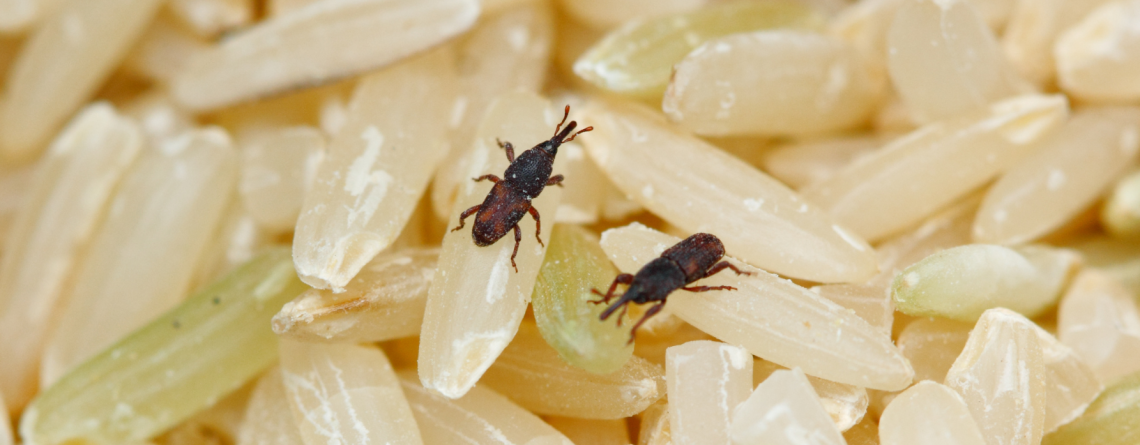
Rice weevils (Sitophilus oryzae), lesser grain borers (Rhyzopertha dominica), and Angoumois grain moths (Sitotroga cerealella) bore into kernels, leading to 10-20% weight loss, heating, mold, and mycotoxins in humid storage. Red flour beetles (Tribolium castaneum) feed externally on bran and brokens, worsening spoilage.
Beneficial Bugs
Parasitic wasps like Trichogramma and predatory beetles target pest larvae, reducing infestations naturally without chemicals. These “good” insects thrive in IPM setups, supported by habitat diversity around silos.
Management Table
Practical Steps
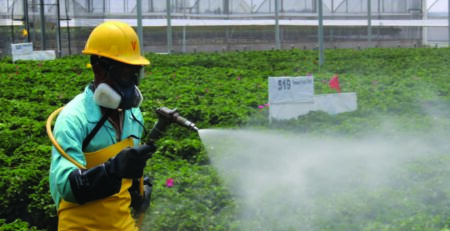
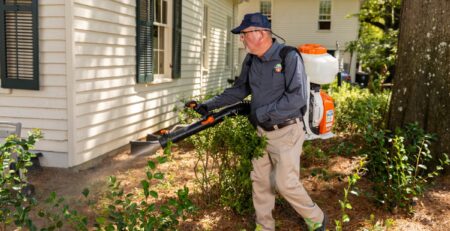
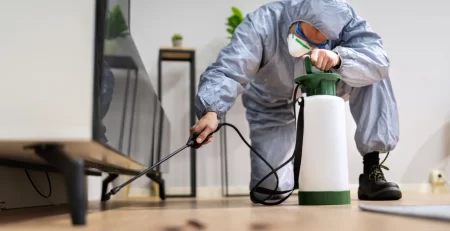
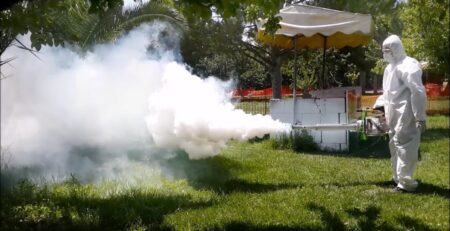
Dry rice to under 13% moisture, aerate storage, and monitor with traps—tie in thermal foggers for outbreaks. Rotate methods to sustain beneficials, ensuring safe handling from farm to table.