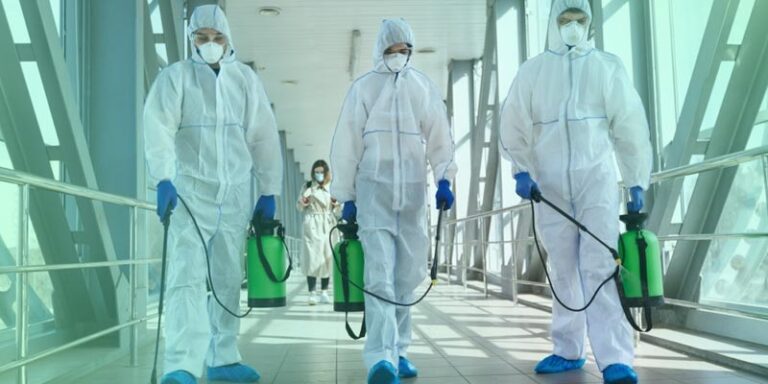
Disinfection and sanitation
Disinfection and sanitation are essential practices for maintaining safe, healthy environments in homes, workplaces, and food facilities. They involve distinct steps to remove dirt, reduce microbes, and eliminate pathogens effectively.
Cleaning Basics
Cleaning removes visible dirt, dust, grease, and debris using soap and water, creating a foundation for further treatment. This step alone eliminates many germs but doesn’t kill them all. Always clean before sanitizing or disinfecting, as residue can reduce chemical effectiveness.
Sanitizing Step
Sanitizing follows cleaning and lowers bacterial levels to safe limits on surfaces or equipment. Use approved sanitizers at correct concentrations, ensuring no cross-contamination occurs during application. It’s ideal for food prep areas where full pathogen destruction isn’t always required.
Disinfecting Process
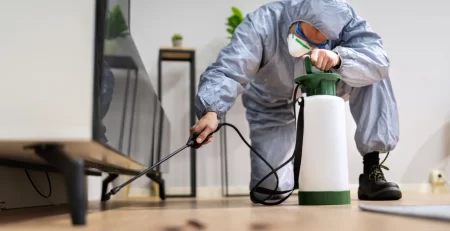
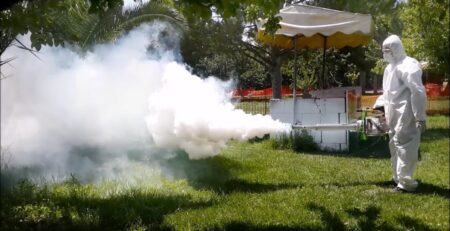
Disinfecting targets and kills specific bacteria, viruses, and fungi on hard surfaces after cleaning and sanitizing. Key is dwell time—the period the solution must stay wet on the surface for full effect, varying by product and germ. Follow EPA-registered labels for dilution, contact time, and safety gear like gloves.
Best Practices
Pre-clean all surfaces thoroughly.
Apply sanitizer or disinfectant evenly and allow proper dwell time without wiping prematurely.
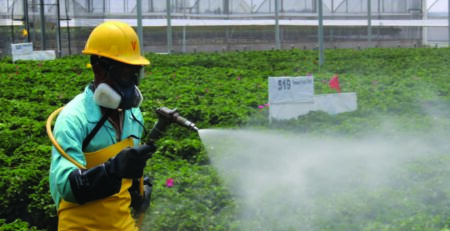
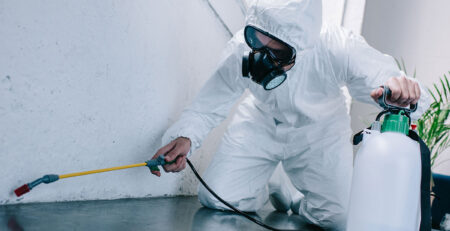
Improve ventilation and use PPE to avoid irritation.
Follow CDC guidelines for high-risk scenarios, like post-illness, to prevent disease spread.